In this guide
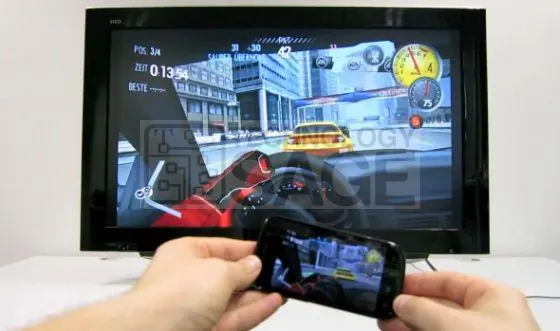
Your phone holds films, videos, photos, games and presentations, but a 6-inch screen is not ideal for sharing them with a room full of people. Screen mirroring puts what is on your Android phone onto your TV, either through a cable or wirelessly. Some people call it “connecting an Android smartphone to the television set”; whatever you call it, this guide shows you five main ways to do it, which one suits your phone and TV, and what to do when it does not work. Some people want to do this simply to play Android games on a bigger display, and that is covered too.
Before you start
- Check your phone’s port. Older phones use micro-USB; most newer phones use USB-C. This decides which cable options are possible.
- Check your TV’s inputs. Most modern TVs have HDMI ports. If you have an old TV without HDMI, see our guide on connecting an Android phone to a CRT TV with AV ports.
- For wireless methods, put both devices on the same Wi-Fi network, and keep your phone charged or plugged in, as mirroring uses a lot of battery.
- Know the difference between mirroring and casting. Mirroring copies your whole screen. Casting sends a video from an app such as YouTube or Netflix to the TV, which then streams it directly; casting usually gives better quality and lets you use your phone for other things.
1. HDMI (wired)
A cable is often the simplest and most reliable way to mirror an Android phone to a TV, with no lag from Wi-Fi.
A few older Android phones had a mini or micro HDMI port. Today, the common approach is a USB-C to HDMI adapter or cable. However, not every USB-C phone supports video output; it depends on whether the phone supports “DisplayPort Alt Mode”. Many flagship phones do, while many budget phones do not. Check your phone’s specifications before buying an adapter.
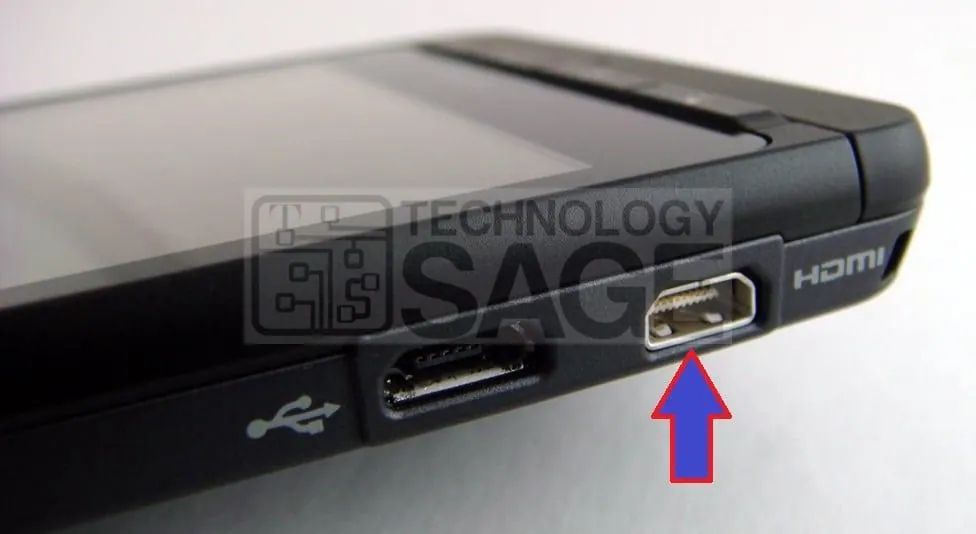
How to do it: plug the adapter into your phone, connect an HDMI cable to the TV, and choose the matching HDMI input on the TV with your remote.
2. SlimPort or MHL (older phones)
SlimPort and MHL were adapter standards that let micro-USB phones output video. You connect the adapter to your phone’s micro-USB port, then run an HDMI cable from the adapter to the TV’s HDMI port, and your phone’s screen appears on the TV.
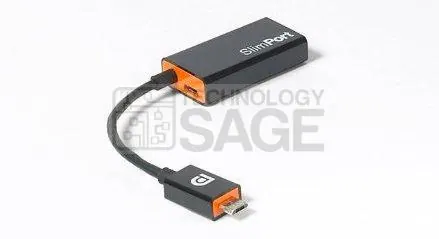
These standards are now largely obsolete and are not found on current phones. They are only worth considering if you have an older phone that specifically lists SlimPort or MHL support. Plain micro-USB to HDMI cables will not work on phones without that support.
3. Miracast (wireless)
Miracast is a wireless standard that creates a direct connection between your phone and a compatible TV or adapter, without needing a router in between. Many smart TVs and some streaming sticks support it.
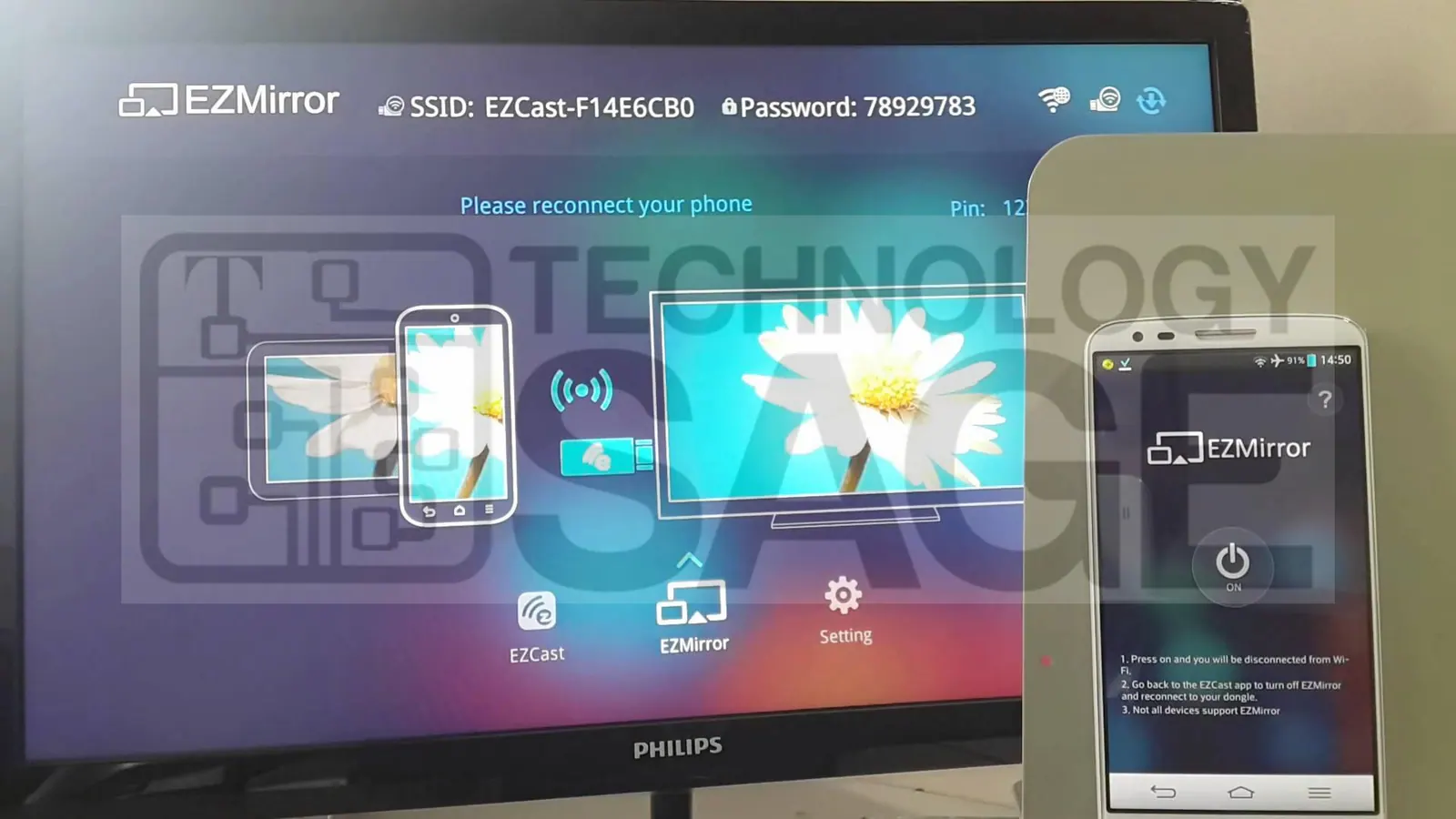
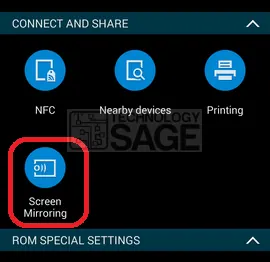
Google removed Miracast from its own versions of Android some years ago in favour of Google Cast, but many phone makers still include it under names such as Smart View, Screen Cast, Wireless display or Cast. Look in the quick settings panel, or search your Settings for “cast” or “screen mirroring”.
How to do it: turn on screen mirroring or Miracast on the TV (sometimes found in its input or network menu), open the cast or mirroring option on the phone, and choose the TV from the list.
4. Chromecast and Google Cast
Google’s Chromecast was a small dongle that plugs into the TV’s HDMI port and connects to your Wi-Fi. It is designed mainly for casting content from apps such as YouTube and Netflix, but it can also mirror your whole screen.
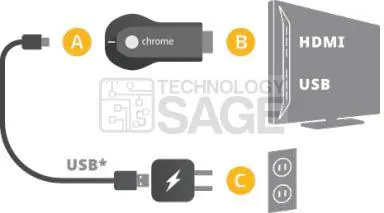
Google has since stopped making the Chromecast and replaced it with the Google TV Streamer, but existing Chromecasts continue to work, and Google Cast is built into many smart TVs, especially those running Google TV or Android TV.
How to do it: make sure the phone and TV or Chromecast are on the same Wi-Fi. To cast a video, tap the cast icon inside the app. To mirror your whole screen, open the Google Home app, select the device and choose to cast your screen, or use the Cast tile in quick settings if your phone has one.
5. Screen mirroring with Samsung (Smart View)
If you have a Samsung phone and a Samsung TV, you are in luck. Samsung’s mirroring feature, now called Smart View, connects the two directly. Swipe down twice from the top of the phone screen, tap Smart View, and select your TV. Smart View also works with many other TVs that support Miracast.
Some higher-end Samsung phones also support Samsung DeX, which shows a desktop-style interface on a TV or monitor, useful for presentations and work.
Read also: How to Clean Android Phone Speakers with an App
Which method should you use?
| Method | Best for | Watch out for |
|---|---|---|
| USB-C to HDMI | Gaming, presentations, no Wi-Fi | Phone must support video output |
| SlimPort/MHL | Older micro-USB phones | Obsolete on newer phones |
| Miracast / Smart View | Quick wireless mirroring | Can lag; not on every phone |
| Google Cast / Chromecast | Streaming apps like YouTube | Needs Wi-Fi; mirroring can lag |
| Samsung Smart View | Samsung phone and TV | Works best with Samsung devices |
For games, a wired connection is best because wireless mirroring often adds a delay.
Troubleshooting
- The TV does not appear on the phone. Make sure both are on the same Wi-Fi network, the TV’s mirroring mode is switched on, and restart both devices.
- HDMI adapter shows nothing. Your phone may not support video output over USB-C. Also check you have selected the right HDMI input.
- Video plays but there is no sound. Check the TV volume and the phone’s output settings; some apps send audio to the phone by default.
- Streaming apps show a black screen. Some services block screen mirroring to protect content. Use the cast button inside the app instead.
- Lag or stuttering. Move closer to the router, use a 5GHz Wi-Fi network if available, or switch to a cable.
Frequently asked questions
Can I mirror my phone to a TV that is not a smart TV?
Yes. Use a USB-C to HDMI adapter if your phone supports it, or plug a casting device such as a Chromecast or Google TV Streamer into the TV’s HDMI port.
Does screen mirroring use mobile data?
Mirroring itself uses your local Wi-Fi, not mobile data. However, if the content is streamed from the internet on your phone, that uses data unless you are on Wi-Fi.
Why is my screen mirroring lagging?
Wireless mirroring depends on Wi-Fi quality. A busy network or distance from the router causes lag. A wired connection removes most delay.
That is how to get your smartphone talking to your television set. Enjoy a bigger view of your phone like a pro, and keep it Technology Sage for more tech tricks.