In this guide
This article was first published in 2014, when a handful of VPN “tricks” could squeeze free data out of certain mobile networks. If you landed here hoping for a magic way to browse with no data, it is only fair to be straight with you: those tricks almost all stopped working years ago. Below we explain what the old method actually did, why it no longer works, and the realistic, legitimate ways to get online cheaply today.
What the old trick actually did
The classic free-browsing method relied on a loophole in how some carriers billed traffic. On a few networks, traffic to certain addresses (for example, a carrier’s own free portal) was not charged. A VPN app could be configured to disguise ordinary internet traffic as that free, zero-rated traffic, so for a while people browsed without their data balance going down.
The original steps looked like this:
-
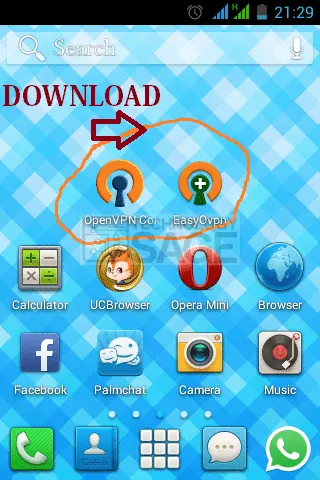
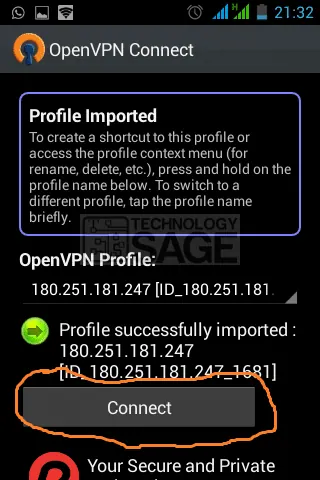
Install a VPN client such as OpenVPN Connect.
-
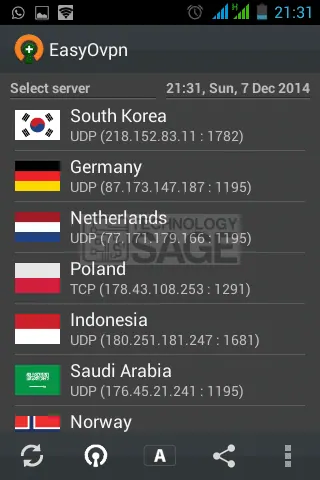
Install a helper app such as EasyOvpn to supply server configurations.
-
Pick a server and connect.
-
Accept the terms and connect to the tunnel.
Why it no longer works
Carriers closed these loopholes long ago. Modern mobile networks meter all data at the network level regardless of how it is dressed up, actively detect and block tunnelling abuse, and have retired the free portals the trick depended on. In most countries, deliberately exploiting a billing loophole also breaches your carrier’s terms of service and can get your line suspended. In short, there is no reliable, free way to browse unlimited mobile data in 2026, and anyone promising one is usually after ad clicks or trying to get you to install something unsafe.
Legitimate ways to get online cheaply
The good news is that getting online has become far cheaper and more widely available than it was in 2014:
- Public and free WiFi. Many cafes, libraries, campuses, malls and transport hubs offer free WiFi. Use a reputable VPN on public networks to keep your traffic private.
- Cheap data bundles. Carriers now sell small, affordable app-specific and time-limited bundles (social, night, or hourly bundles) that cost very little.
- Free data tiers from apps. Some services and carriers zero-rate specific apps as an official, above-board offer; check what your provider legitimately includes.
- Tethering from a connection you already pay for. If you have data or home WiFi, you can share it with your other devices (see below).
Share a connection you already have
Once your phone has a working connection, you can legitimately share it with a laptop or computer:
- Go to Settings > Network & internet > Hotspot & tethering (the exact path varies by Android version).
- Turn on WiFi hotspot and connect your laptop to the wireless network your phone broadcasts.
- Alternatively, connect your phone with a USB cable and enable USB tethering.
You can also transform a laptop into a WiFi hotspot and share its connection with other devices.
Frequently asked questions
Is there any genuine way to get unlimited free mobile data?
No reliable one. The old VPN loopholes are closed and metering now happens at the network level. Treat any site promising unlimited free data with suspicion.
Is using a VPN illegal?
VPNs themselves are legal and useful in most countries, especially for privacy on public WiFi. What was never really above board was using one to dodge your carrier’s billing, which breaches their terms.
What is the cheapest safe way to browse?
Use free public WiFi where available (with a VPN for privacy), and buy small official data bundles from your carrier for when you are out and about.