In this guide
If your Windows 10 PC has become slow, unstable or infected with malware, a factory reset is one of the most reliable ways to get it running cleanly again. Resetting reinstalls Windows and returns the system to a fresh state, clearing out the broken programs, leftover junk and hidden infections that antivirus tools sometimes miss. This guide shows you exactly how to do it, and how to do it safely so you do not lose anything you care about.
Problems often creep in from software downloaded from untrustworthy sites or files shared via external drives, which can carry malware that slips past your antivirus. When your computer starts behaving abnormally, resetting it to factory settings is a dependable fix.
Note: These steps are for Windows 10. The process is almost identical on Windows 11, where the option lives under Settings > System > Recovery > Reset this PC. Everything below applies to both.
Before you start
- Back up your files first. Copy documents, photos and anything important to an external drive or cloud storage. Even the “keep my files” option is safer with a backup.
- Know your passwords and product keys. You will sign back into your accounts afterwards and may need to reinstall some apps.
- Keep the laptop plugged in. A reset can take a while, and losing power partway through can cause problems.
- Make a note of any software licences you will need to re-enter.
Steps to reset Windows 10 to factory settings
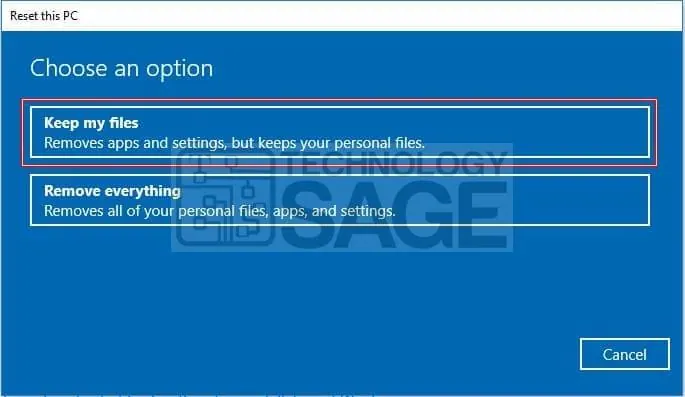
Resetting restores your computer to its original state. The “keep my files” option preserves your personal documents but removes installed apps and settings; the “remove everything” option wipes the drive completely.
Also Read: How to disable Windows Defender on Windows 10 PC/Laptop
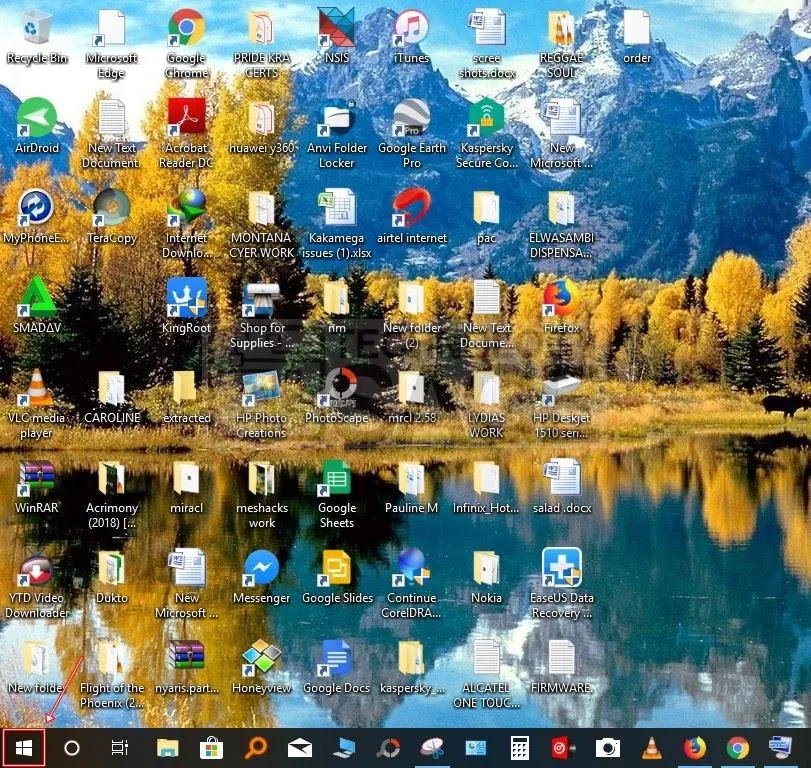
- Click the Start button (the Windows key on your keyboard or the Windows icon at the bottom-left of the screen).
-
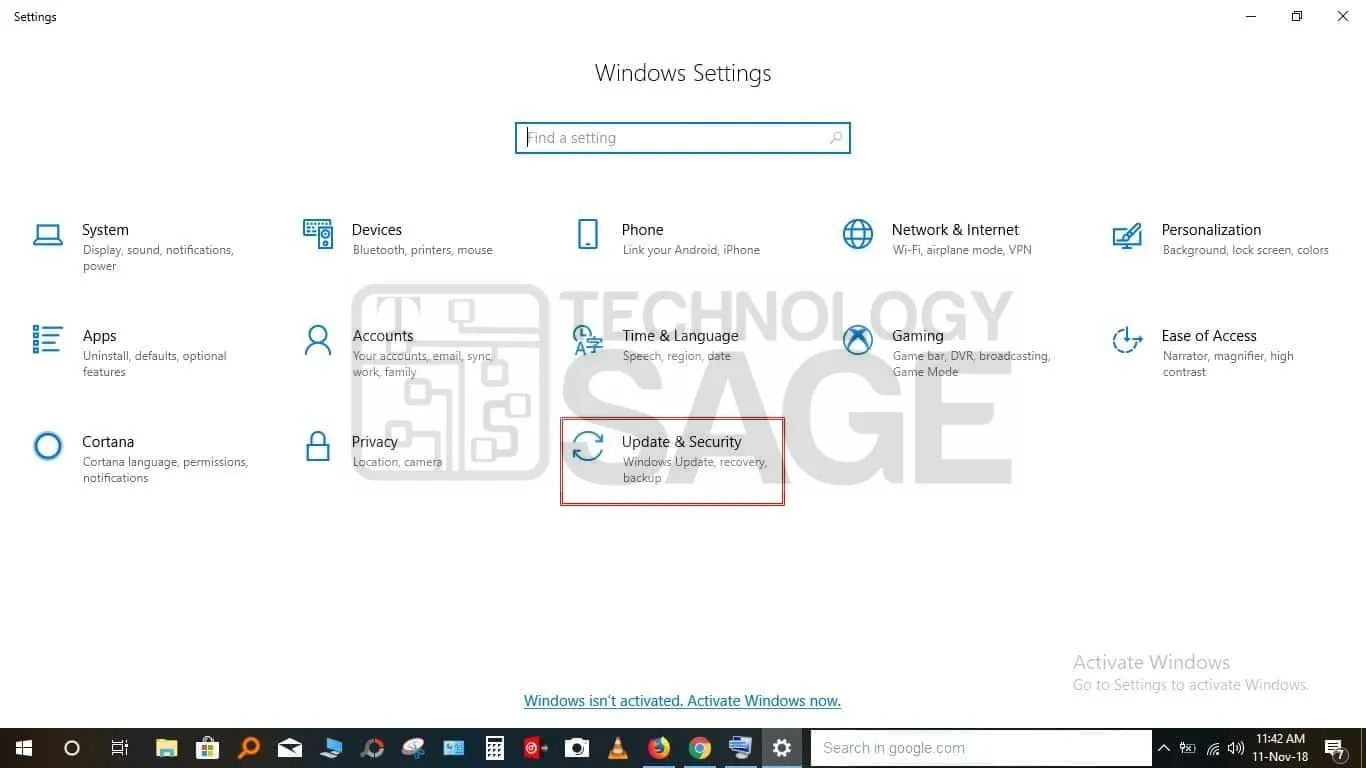
Open Settings (the gear icon).
-
In Settings, select Update & Security.
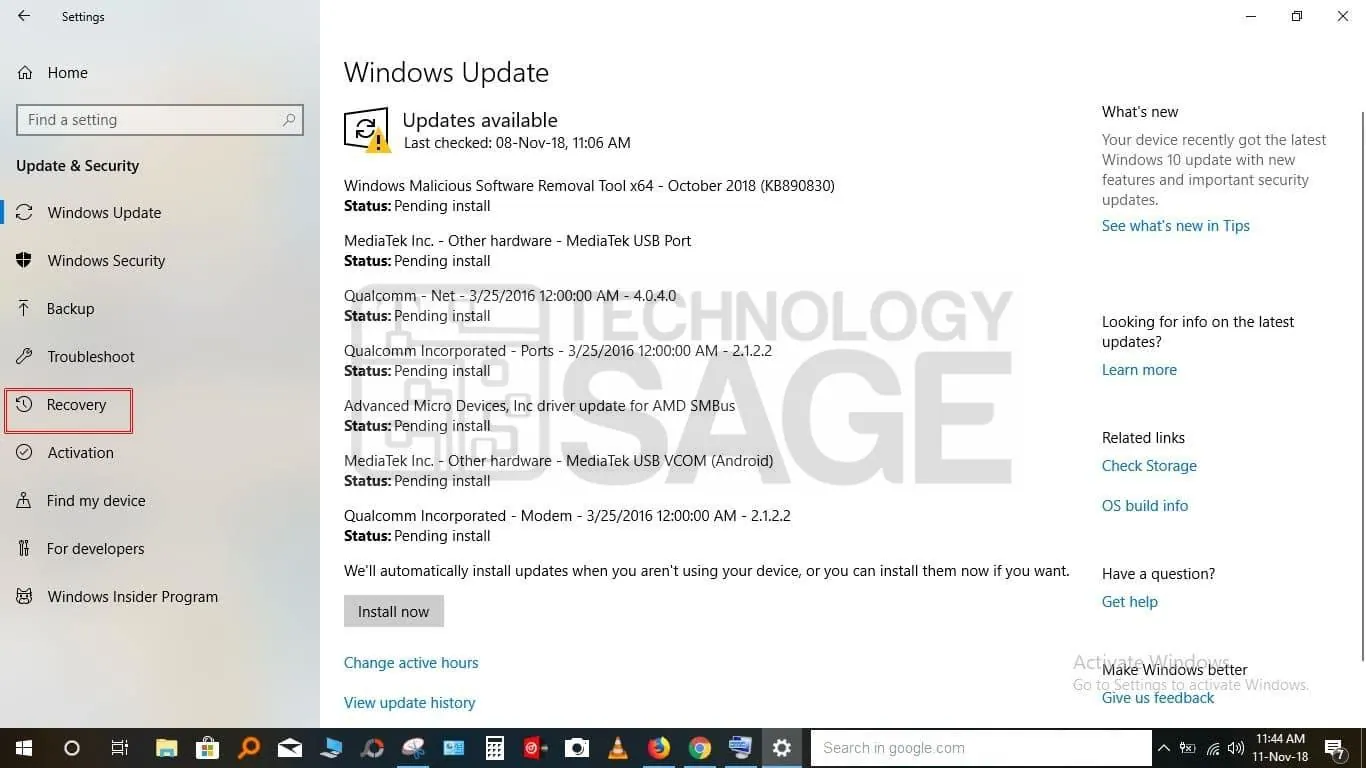
- In the left-hand menu, click Recovery. This opens the Windows recovery options.
- Under Reset this PC, click Get started.
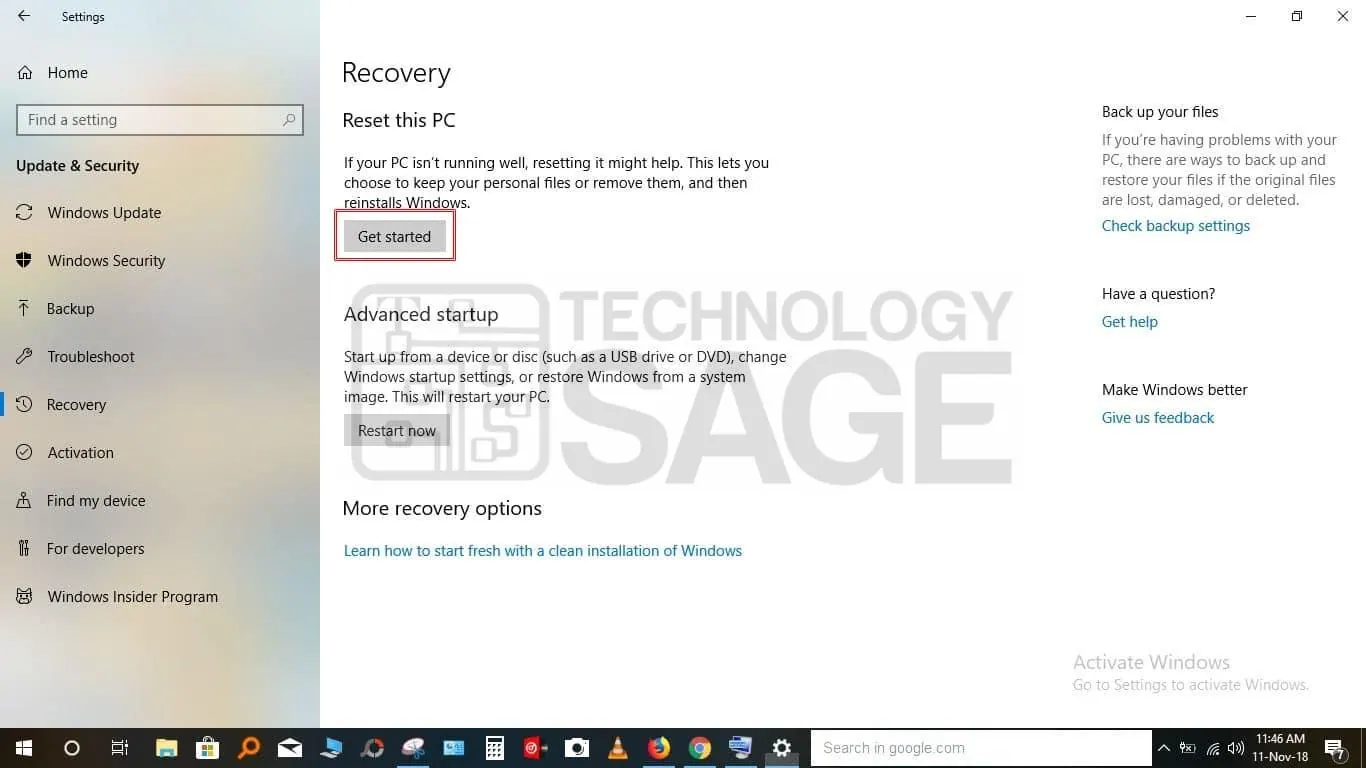
- Choose your option. Keep my files reinstalls Windows but keeps your personal files (apps and settings are removed). Remove everything wipes the entire drive, including personal files; choose this if you are selling or giving away the PC.
- Windows may ask whether to reinstall from the cloud or from the local device. Cloud download fetches a fresh copy of Windows over the internet (useful if local files are corrupted); local reinstall uses the files already on your PC.
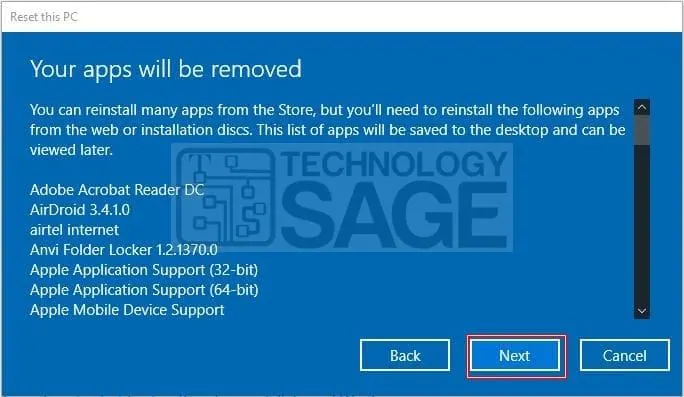
- Review the summary of what will be removed, then click Next and Reset to begin.
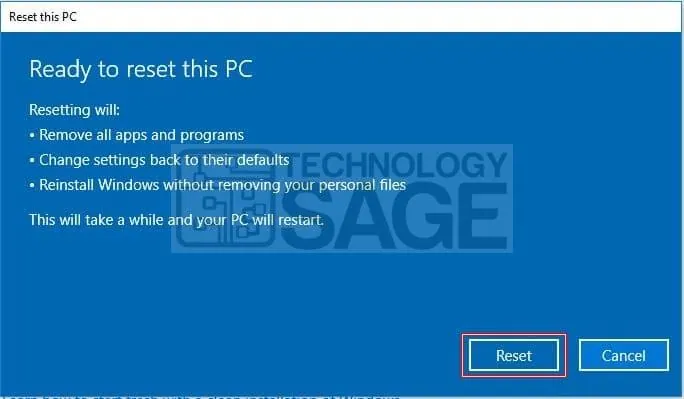
- The PC will restart several times and the reset will take anywhere from 30 minutes to a couple of hours. Be patient and do not switch it off. When it finishes, you will set up Windows again and reinstall the apps you use.
If the reset fails or gets stuck
- If the process hangs for a very long time with no progress, give it extra time first, especially on a mechanical hard drive; resets can appear frozen when they are still working.
- If it truly fails, restart and try again. You can also reach recovery options by holding Shift while clicking Restart, then choosing Troubleshoot > Reset this PC.
- As a last resort, you can reinstall Windows 10 using a bootable USB drive created with Microsoft’s official Media Creation Tool.
Frequently asked questions
Does a factory reset remove viruses?
In most cases, yes. Choosing “remove everything” wipes the drive and gives you a clean Windows install, which clears out the vast majority of malware. Very rare infections can survive in firmware, but a standard reset handles almost everything.
Will I lose my personal files?
Only if you choose “remove everything”. The “keep my files” option preserves your documents, but it still removes installed apps, so back up first to be safe.
How long does it take?
Typically 30 minutes to two hours, depending on your hardware and whether you choose a cloud download or local reinstall.