In this guide
If you are interested in Bitcoin and own a Windows computer, you may have wondered whether you can mine it at home. This article, first written in 2018 for Windows 10, explains what Bitcoin and Bitcoin mining actually are, which mining programs exist for Windows, and, most importantly, whether mining on a home PC makes sense today. It is written for beginners who want an honest picture before spending money or electricity.
What has changed since this article was written
- Mining Bitcoin on a normal PC is no longer practical. Bitcoin mining is now dominated by specialised machines called ASIC miners. A home computer’s processor or graphics card cannot compete, and the electricity it uses will almost always cost more than any Bitcoin it earns.
- Mining rewards have fallen. The number of new bitcoins created per block halves roughly every four years. The most recent halving, in 2024, cut the reward to 3.125 bitcoin per block, shared across a huge global network.
- Windows 10 reached end of support in October 2025. If you run any mining or wallet software, use a supported version of Windows and keep it updated.
- Bitcoin is far better known. The original article described it as not widely known. Today it is widely traded and regulated in many countries, though rules differ.
What is Bitcoin?
Bitcoin is a form of digital currency. It is not a physical currency you can hold; it is more like “online money”. You can pay people and get paid anywhere in the world without a bank in the middle. To receive Bitcoin, you give the sender your Bitcoin address, and vice versa.
Bitcoin was introduced in 2009 by a person or group using the name Satoshi Nakamoto. The price of one bitcoin has been high and volatile for years, which is why people often deal in small fractions of a bitcoin.
One correction to the original article: transactions are not “totally free”. Bitcoin transactions pay a network fee, which goes up when the network is busy.
Read also: How Does WhatsApp Make Money? Secret Revealed, find out.
What is Bitcoin mining?
The original version of this article described a miner as someone who looks for bitcoins and buys them. That is not quite right.
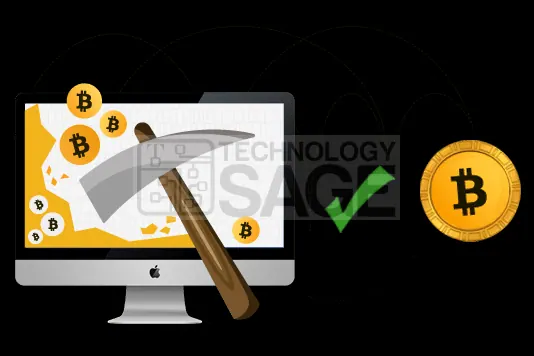
Mining is the process that keeps the Bitcoin network running. Miners use computers to bundle transactions into blocks and compete to solve a difficult mathematical puzzle. The first miner to solve it adds the block to the blockchain and receives a reward of newly created bitcoins plus the transaction fees. This system is called proof of work.
Buying and selling bitcoin for profit is trading, which is a different activity done on exchanges and trading platforms. Both carry real financial risk.
Bitcoin mining software for Windows
Mining software connects your mining hardware to the Bitcoin network or to a mining pool, sends completed work, and monitors your hardware’s speed (hashrate), temperature and earnings. A mining pool combines the power of many miners and shares the rewards, which gives small miners a more regular, if smaller, payout.
Programs mentioned in the original article include:
- CGMiner. One of the best-known open-source mining programs. It is command-line based and is mainly used today to control ASIC mining hardware.
- BFGMiner. Another open-source, command-line miner, similar to CGMiner, with support for ASIC devices and monitoring features.
- EasyMiner. A graphical front end aimed at beginners, which made it simpler to start mining without the command line.
- BTC Miner and “Bitcoin Miner” apps. The original article described a Bitcoin Miner app with a power-saving mode, mining pool support, faster share submission and a profit report. Apps with similar names have come and gone, and many are now unavailable or unreliable.
If you see a PC or phone app promising easy Bitcoin earnings with no special hardware, be very cautious.
You need a Bitcoin wallet
Whether you mine or not, you need a wallet, which gives you an address for receiving payouts. Options include:
- Hardware wallets, such as those made by Ledger (the original Nano S has since been succeeded by newer models). These keep your private keys offline and are the safest choice for larger amounts.
- Software wallets, such as Electrum on desktop or Mycelium on mobile.
Never share your wallet’s recovery phrase with anyone. Anyone who has it can take your funds.
Should you mine Bitcoin on a home PC?
For almost everyone, the honest answer is no:
- It is unlikely to be profitable. Without ASIC hardware, the Bitcoin you earn will be tiny compared with your electricity costs.
- It strains your hardware. Running a processor or graphics card at full load for long periods creates heat and wears out components.
- Electricity costs matter most. Even professional miners depend on very cheap power. In places with high electricity tariffs, home mining rarely makes sense.
If you are still curious, research these points first:
- Use an online mining profitability calculator with your hardware’s hashrate, power consumption and your local electricity price.
- Some services let a PC’s graphics card earn Bitcoin by selling computing power to other buyers, rather than mining Bitcoin directly. Read the terms and fees carefully.
- Check the law where you live. Some countries restrict or tax mining and crypto earnings.
Stay safe
- Download software only from official project pages. Fake mining software is a common way to spread malware.
- Expect antivirus warnings. Security programs often flag mining software because criminals use similar tools for “cryptojacking”, secretly mining on infected computers. Do not disable your antivirus for software from an unknown source.
- Beware of cloud mining and investment schemes that promise fixed daily returns. Many have turned out to be scams.
Frequently asked questions
Can I mine Bitcoin on a laptop?
Technically yes, but you will earn almost nothing and risk overheating the laptop. It is not worthwhile.
What hardware do serious Bitcoin miners use?
ASIC miners, machines designed only for Bitcoin’s mining algorithm. They are noisy, power-hungry and expensive.
Is Bitcoin mining legal?
It is legal in many countries but restricted or banned in some. Check your local regulations and tax rules.
Is buying Bitcoin easier than mining it?
For most people, yes. But Bitcoin’s price is very volatile, so only invest money you can afford to lose.
For much more about Bitcoin, mining and trading, do thorough research from reliable sources before spending any money.